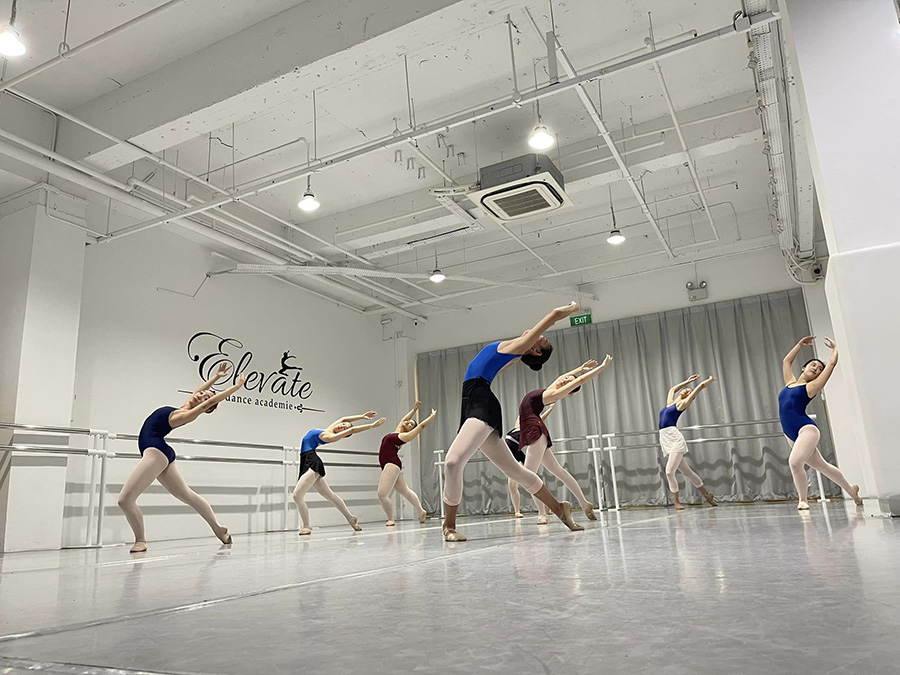
Ballet is more than just a dance; it helps shape kids’ minds and bodies. This art form continues to attract more children across Singapore. This captivating dance style attracts the audience and offers a rich personal growth and discipline journey. Families view ballet as an activity and a way for children to grow mentally, physically, and socially. Children in ballet classes stretch their bodies, strengthen their focus, and develop teamwork. Many parents are discovering the great benefits of ballet for their children. It teaches discipline, improves body control, and builds healthy lifelong habits.
This blog explores why Ballet Singapore programs gained popularity and how ballet classes for children provide real value to them.
The Role of Structure in Ballet Training
Ballet classes follow a clear pattern. Students warm up, work on techniques, and practice dances in each session. This rhythm helps children build focus and manage tasks step by step.
In a ballet class, children learn to follow directions, pay attention, and carefully complete each part of their routine. The steady practice sharpens their timing and decision-making. As they move through each lesson, children grow more confident in handling both dance and daily life with care and attention.
Every ballet movement requires purpose and precision. As students reach, turn, and stretch, they pay attention to how their bodies feel and move. This helps them develop better balance and control.
Ballet Singapore studios teach students to engage their muscles, align their posture, and maintain balance. Over time, children stretch more easily, stand straighter, and move with greater coordination. They become more aware of how to use their bodies in smart, safe, and graceful ways—skills that benefit both dancing and other physical activities.
Mental and Emotional Development
Ballet sharpens the mind just as much as it strengthens the body. Students must remember steps, match movements to the music, and maintain rhythm. These tasks challenge their brains and improve their memory.
Children in ballet remain alert throughout each class. They concentrate as they learn new steps and connect movements into complete routines. This kind of mental engagement builds strong habits such as focus, problem-solving, and listening closely—valuable skills both inside and outside the classroom.
In ballet, children often practice routines in front of others. Over time, these small performances help them feel more comfortable displaying their movements and emotions.
As children practice in front of their group, they learn how to express ideas through their bodies. They develop self-control, steady breathing, and graceful posture. These lessons help shape their ability to speak up, move with confidence, and carry themselves with quiet strength in everyday life.
Social Benefits and Interaction
Although ballet often starts as a solo journey, it also brings children together. Many routines include group dances, where students must coordinate their movements and timing with one another.
In these moments, children learn how to work in a group. They match their timing, watch their spacing, and support their classmates. Ballet class helps children develop their communication skills and teaches them how to succeed as part of a team not just as individuals.
Ballet carries strong values. Each class teaches students to respect their teacher, classmates, and art. Children practice polite greetings, attentive listening, and calm behaviour. These habits strengthen with time. The respect they learn in class often extends at home and in school. They develop good manners and self-discipline by following directions and observing class rules.
Physical Development and Fitness
In ballet, children stretch, balance, and move with control. This strengthens their core, legs, and arms without harsh movements. It also helps protect their bodies by promoting smooth, controlled movements.
These improvements make everyday movements—walking, running, and even sitting—more comfortable and controlled. Ballet develops a strong body without undue strain.
Posture matters in ballet. Children learn to stand tall, open their shoulders, and carefully place their feet. These lessons help them feel more stable and look more confident.
Ballet in Singapore programs coach students to move with care and symmetry. This training improves how they sit, stand, and walk. Children learn to protect their bodies by staying aligned and balanced—a helpful skill for both the present and later in life.
Why Parents Are Choosing Ballet
More parents now choose ballet for their children because it offers clear benefits. It combines movement with thinking, teamwork with discipline, and performance with personal growth. A ballet class for children teaches dance steps alongside everyday skills. Children who participate often grow more focused, responsible, and aware of how to behave in different situations. Ballet encourages healthy routines and steady improvement, qualities that parents notice and appreciate.
Ballet Singapore programmes are well-known for their trusted instruction and carefully structured lessons. Parents value how ballet introduces children to a world of discipline, creativity, and personal growth — all expressed through graceful and elegant movement.
The End Note
Ballet keeps growing in Singapore as more families discover how much it supports their children’s growth. It builds skills in body control, focus, communication, and cooperation. Children become more balanced, respectful, and expressive as they train regularly. Ballet does more than teach steps; it equips children with skills they can use every day. With improved posture, better focus, and stronger teamwork, students carry ballet lessons far beyond the studio.
As Ballet Singapore’s programmes continue to welcome young dancers, they offer more than just training. They provide a pathway to nurturing stronger, more confident children, making ballet a meaningful and rewarding choice for many families today.